Israel’s High Court of Justice agreed Friday to release funding for the Ministry of Religious Services after the ministry warned that a continued budget freeze could force the closure of major holy sites across the country as early as Sunday.
The court announced that funding approved for the Religious Services Ministry would be exempted from a temporary order freezing budget transfers that had been approved by the Knesset Finance Committee earlier this month.
The decision followed an urgent warning submitted to the court by Religious Services Ministry Director-General Yehuda Avidan, who said the ministry was rapidly approaching a financial crisis that could disrupt the operation of holy sites, rabbinical courts and other essential religious services.
The state had earlier warned the High Court that maintaining the freeze on the budget transfers could have far-reaching consequences for the ability of government ministries to continue operating and providing services to the public.
Finance Minister Betzalel Smotrich told the court through the state’s submission that he believes the underlying petition should be decided as quickly as possible rather than leaving the matter unresolved while the court considers a request for an interim order.
According to the state, the effects of the funding freeze could become increasingly severe beginning September 1 if the legal dispute remains unresolved.
Particular concern was raised over funding for Israel’s rabbinical courts. The state asked the High Court to exempt those funds from the temporary freeze, warning that beginning August 23, the lack of funding could immediately interfere with computer systems and support services needed for the courts to function.
Avidan presented the court with an even more urgent picture regarding the Religious Services Ministry.
He said the disputed funds are needed for the ministry’s regular operations, the rabbinical courts and holy sites throughout Israel. The money is also required to pay vendors and employees and cover security, cleaning, rent, municipal taxes and computer services.
Avidan noted that the month of Elul is among the busiest periods of the year for the Religious Services Ministry, with thousands of mispallelim expected to visit holy sites throughout the country each day.
Without the necessary funding, he warned, the ministry would be unable to approve the additional security and cleaning services needed to safely accommodate the large crowds.
The most dramatic warning concerned the possibility that some of Israel’s best-known holy sites could be shut down beginning Sunday.
Avidan told the court that if the budget transfer was not approved, he would be forced to inform the High Court that the ministry was beginning the process of closing holy sites around the country.
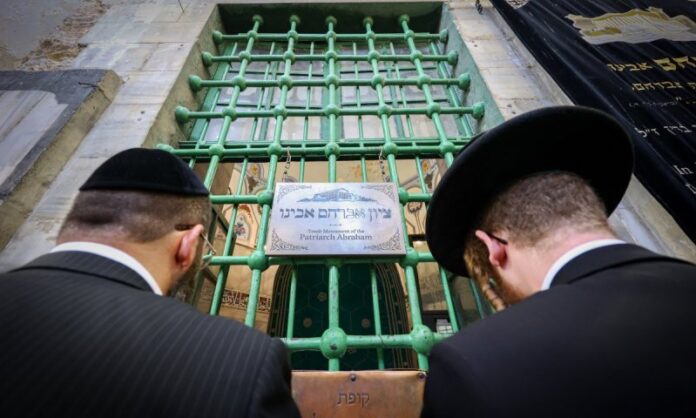
Among the locations specifically cited were Me’aras Hamachpeilah, Kever Rochel and Kever Rashbi in Meron, along with other holy sites visited by thousands of people each day.
The funding crisis, Avidan said, could also force the ministry to shut down portions of its computer infrastructure, some of which depend on outsourced personnel. Other workers could be forced to stop working, while vendors providing essential services could go unpaid.
Avidan also invoked the Meron disaster in warning of the potential dangers of allowing security and operational funding at crowded holy sites to lapse. He said the ministry had been warning for more than three weeks that the money was urgently needed ahead of Elul and the expected surge in visitors.
The state asked the High Court to establish an expedited timetable for hearing and deciding the broader petition. It also specifically requested that funding for the rabbinical courts be excluded from the temporary order because of the potential consequences for their ability to function as judicial bodies.
The legal dispute stems from controversy surrounding the Knesset Finance Committee’s decision to convene during the Knesset recess to approve the budget transfers, as well as claims that approval from the Knesset’s agreements committee was required.
The state maintains that the budget requests considered by the Finance Committee resulted from government decisions made before the Knesset recess began and that the committee proceedings were conducted in accordance with accepted procedures.
With the legal dispute still pending, the Religious Services Ministry warned that the immediate consequences could be felt within days, with holy sites potentially closing and critical services provided by the rabbinical court system facing disruption.
Following the ministry’s warning, however, the High Court moved to avert that scenario, announcing that the budgets approved for the Religious Services Ministry would be excluded from the temporary freeze.
The decision allows the ministry to receive the funding while the larger legal battle over the disputed budget transfers continues.
{Matzav.com}