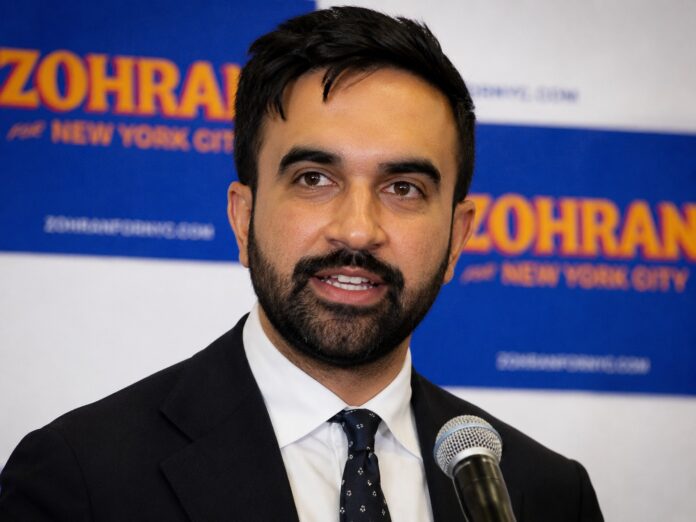
A coalition representing immigrant-owned grocery stores and other small businesses across New York City is preparing to sue Mayor Zohran Mamdani’s administration over its taxpayer-funded supermarket initiative, with legal action potentially coming as soon as this week, the NY Post reports.
The Multicultural Business Coalition, an umbrella organization made up of 50 chambers of commerce representing businesses from a wide range of ethnic communities, made one final attempt Wednesday to bring City Hall to the negotiating table before proceeding with litigation.
“Although we have not heard from you since May 2026, we are open to resolving this matter amicably with more sensible solutions to feed working class people with nutritious essential food items at affordable prices,” coalition president Kenneth Roldan wrote in a letter to the administration.
Roldan said Wednesday that attorneys are still deciding whether to bring the challenge in state court, federal court, or pursue cases in both jurisdictions.
“We are at the 11th hour — we have multiple versions of the lawsuits that have been prepared,” Roldan said. “The federal case will be based on antitrust and predatory pricing. The state cause of action will be tortuous interference and possibly discriminatory practices by the administration.”
The coalition represents businesses owned by members of New York’s Asian, African, Caribbean, Hispanic, Middle Eastern and Jewish communities. According to Roldan, the organization has repeatedly attempted to secure meetings with City Hall since May but has been turned away.
The escalating legal threat comes as the Mamdani administration moves ahead with plans for five government-owned supermarkets at an estimated taxpayer cost of $70 million. The city recently issued a request for proposals seeking operators for the stores, with bids due by Oct. 16.
In its letter, the coalition argued that the request for proposals “demonstrates a lack of understanding of the supermarket industry and raises questions about the efficacy of the plan.”
The group also warned that subsidized city-owned supermarkets “could paralyze their operations, reduce their slim profit margins or even force some out of business entirely.”
Mark Jaffe, the coalition’s legal counsel and president of the Greater New York Chamber of Commerce, said business owners would still prefer negotiations over a courtroom battle.
“We are asking the mayor to avoid litigation to sit down with us,” Jaffe said. “But we have to try to stop this if they won’t listen to us.”
Under the city’s proposal, private grocery operators would be selected to manage the five supermarkets. Because the stores would operate in government-owned properties, they would not face the rent and tax expenses borne by competing privately owned supermarkets.
The operators would also be required to offer a 30% discount on staple foods, including produce, meat, milk, cheese and bread.
City Hall estimates that the program could reduce participating shoppers’ grocery expenses by approximately $90 per month, or about $1,000 annually, amounting to an overall savings of roughly 15% on their grocery bills.
Nearly $40 million has already been designated for the first two planned locations, one in Harlem and another at Hunts Point in the Bronx. Locations have not yet been finalized for the remaining three supermarkets.
Opponents have raised particular concerns about the impact on existing stores located close to the proposed government-subsidized supermarkets. Roughly 15 bodegas and grocery stores currently operate within five blocks of La Marqueta in East Harlem, one of the areas involved in the initiative.
A Food Bazaar supermarket, meanwhile, sits directly across the street from one of the proposed subsidized locations — a situation critics say illustrates the competitive disadvantage private businesses could face.
“How can a Food Bazaar right across the street from La Marqueta not be affected by such discounts?” Jaffe said.
{Matzav.com}