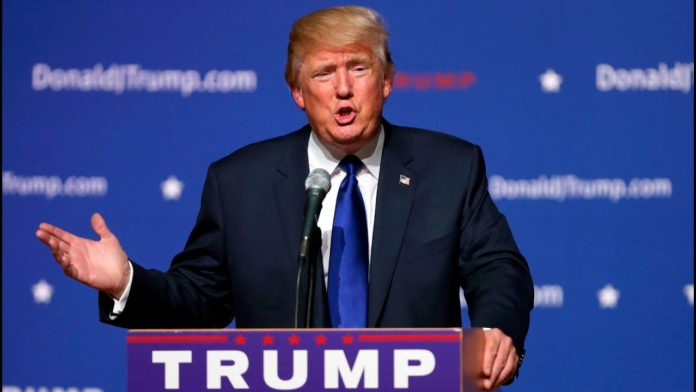
A federal judge ruled on Friday that Donald Trump is not immune from prosecution in the Washington election interference case, rejecting the Republican’s attempt to derail charges accusing him of scheming to overturn the 2020 presidential election. U.S. District Judge Tanya Chutkan’s decision serves as a strong rebuff to the challenges raised by Trump’s defense team against the four-count indictment. The upcoming trial is anticipated to focus on Trump’s multifaceted efforts to overturn the election won by Democrat Joe Biden. This ruling sets the stage for a legal battle over the extent of presidential power, potentially escalating to the U.S. Supreme Court. Trump, denying any wrongdoing, is expected to swiftly appeal, characterizing it as an unresolved legal question.
Chutkan, in her ruling, emphasized that the presidency does not grant a perpetual “get-out-of-jail-free” card. She stated that former Presidents have no special immunity from federal criminal liability, asserting that Trump could be subject to investigation, indictment, prosecution, conviction, and punishment for any criminal acts committed during his tenure. Trump’s claims that the indictment infringes on his free speech rights were also dismissed by Chutkan, who asserted that the First Amendment does not protect speech used as a tool for a crime. She clarified that Trump faces prosecution not merely for false statements but for knowingly making false statements in furtherance of a criminal conspiracy and obstructing the electoral process.
On the same day, the federal appeals court in Washington ruled that lawsuits accusing Trump of inciting the January 6, 2021 riot can proceed. The court rejected Trump’s argument that presidential immunity shields him from liability in lawsuits brought by Democratic lawmakers and police officers. The three-judge panel acknowledged that Trump can continue to argue that his actions were taken in his official capacity as president as the cases progress. Trump’s legal team, contending that the criminal case should be dismissed, asserted that he is shielded from prosecution for actions taken while fulfilling his presidential duties. They argued that the actions detailed in the indictment, such as pressuring state officials on election administration, are integral to Trump’s responsibilities as commander in chief.
The Supreme Court has previously established that presidents are immune from civil liability for actions related to their official duties, but the question of whether this immunity extends to criminal prosecution has not been addressed by the justices. Special counsel Jack Smith’s team has argued that nothing in the Constitution or court precedent supports the notion that a former president cannot be prosecuted for criminal conduct during their White House tenure. Prosecutors emphasized that Trump is not above the law and is subject to federal criminal laws like any other American. This case is one of four criminal cases Trump faces as he seeks to return to the White House in 2024, involving charges in Florida, Georgia, and New York.
{Matzav.com}