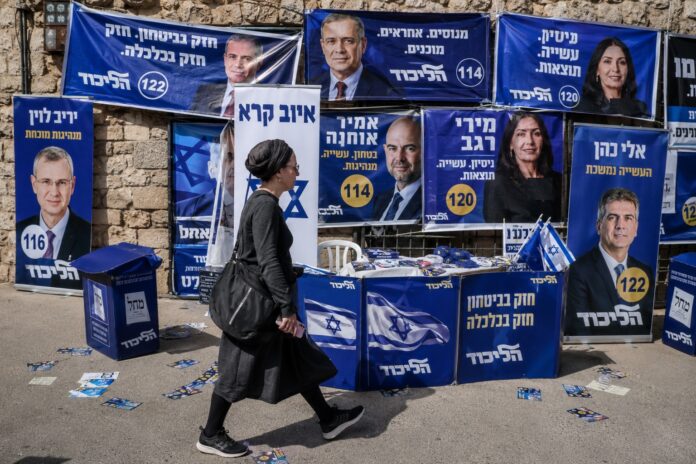
A dramatic shakeup is emerging in the Likud primary results, with Energy Minister Eli Cohen taking first place while several prominent party figures have fallen far below expectations and others are facing the possibility of being left out of the next Knesset.
With approximately 80% of the ballots counted overnight at the vote-counting center established at Bloomfield Stadium in Jaffa, Cohen was leading the national slate, followed by Knesset Speaker Amir Ohana in second place and Justice Minister Yariv Levin in third.
Final results are expected later today, but the partial count already provides a strong indication of the battle for positions considered likely to secure a Knesset seat. Because of slots reserved for candidates selected by Prime Minister Benjamin Netanyahu and positions allocated to regional representatives, the 15th spot on the national list is currently viewed as the final clearly competitive position. Most recent polls have Likud winning approximately 23 seats.
Transportation Minister Miri Regev, the highest-ranking woman in the results, was in fourth place, followed by coalition chairman Ofir Katz in fifth. Education Minister Yoav Kisch ranked sixth, Culture and Sports Minister Miki Zohar seventh, and MK Almog Cohen — competing in a Likud primary for the first time — eighth.
Minister Dudi Amsalem stood in ninth place, while Minister Amichai Chikli rounded out the top 10. MK Moshe Saada was positioned 11th, opening the second group of 10 candidates.
One of the night’s biggest surprises was MK Tali Gotliv, who dropped to 12th place despite polls ahead of the primary showing her potentially finishing first. Likud sources claimed that Netanyahu quietly worked to prevent Gotliv from finishing in the top 10 because of concerns that her prominence could hurt the party electorally.
Communications Minister Shlomo Karhi was in 13th place, followed by MK David Bitan in 14th. Bitan’s showing was particularly notable because Netanyahu had openly battled against him during the primary campaign.
MK Boaz Bismuth occupied the crucial 15th position, putting him on the edge of what is considered a realistic spot on the slate. Economy Minister Nir Barkat, meanwhile, had fallen to 16th, leaving his prospects increasingly uncertain. Netanyahu’s political operation had also reportedly worked against Barkat amid accusations that he had attempted to organize a political challenge to the prime minister.
Further down the slate, several longtime Likud figures appeared to be in serious danger of failing to return to the Knesset. Minister Gila Gamliel was among those whose chances remained uncertain, while Agriculture Minister Avi Dichter, Environmental Protection Minister Idit Silman and Minister May Golan appeared likely to be left outside the next Knesset based on the partial results.
MKs Hanoch Milwidsky, Keti Shitrit, Avichay Buaron and Nissim Vaturi were also among the incumbents whose positions placed their political futures in jeopardy.
The primary was also accompanied by complaints over the party’s voter rolls. Likud officials said some members who renewed their membership payments roughly a month before the election arrived to discover that they were not listed as eligible voters. The controversy could potentially become a factor in challenges to the final results.
Overall turnout reached approximately 53.5%, about 10 percentage points higher than at the comparable stage of Likud’s previous primary. Party officials described the figure as evidence of unusually strong participation and interest among Likud members.
The complete results are expected after all remaining ballots are counted and any challenges are addressed. Until then, the greatest suspense surrounds candidates clustered around the cutoff between positions considered likely to lead to a Knesset seat and those that could leave some of Likud’s most recognizable figures on the outside.
{Matzav.com}